Home / Tools Detail

Ready to bring your project to life with precision and efficiency? Contact us today to start using Revit, and let our team provide you with integrated, high-quality designs that will ensure the success of your construction project.
At Prime Draft Estimates, we specialize in leveraging Revit architectural design software to provide accurate and efficient solutions for your construction projects. Whether you’re designing residential, commercial, or industrial buildings, Revit helps create detailed, precise models that ensure success at every stage of the project.
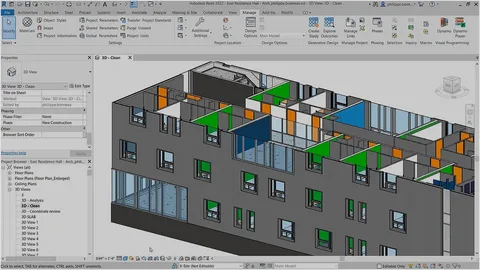
Revit is a powerful architectural design software that facilitates Building Information Modeling (BIM). It allows architects, engineers, and designers to create highly detailed, 3D models of building structures. Unlike traditional 2D drafting, Revit provides a comprehensive platform for designing every aspect of a building, from layout to structural elements, electrical, plumbing, and mechanical systems.
By integrating all aspects of the design process in one place, Revit enhances collaboration, reduces errors, and improves overall project efficiency.
Revit allows for advanced 3D modeling, enabling architects and engineers to visualize the building before construction begins. This helps in understanding spatial relationships and identifying potential issues early in the design phase.
As a BIM tool, Revit integrates architectural, structural, and MEP (mechanical, electrical, plumbing) components into a single model. This makes it easier to coordinate between teams and ensure all systems work together seamlessly.
Revit generates accurate, detailed documentation directly from the 3D model, including floor plans, elevations, sections, and schedules. This ensures that all drawings are consistent and up-to-date, saving time and reducing the risk of errors.
With Revit’s cloud-based features, multiple team members can work on the same model simultaneously. This improves communication between architects, engineers, and contractors, ensuring everyone is on the same page throughout the project.
Revit includes energy analysis tools that help optimize building performance by evaluating energy efficiency. This feature is essential for sustainable design and helps meet green building standards.
Improved Accuracy and Efficiency
Using Revit architectural design software eliminates human error and streamlines the design process. By creating accurate, detailed 3D models, you ensure that your project is built to specifications, minimizing the risk of rework during construction.
Better Collaboration and Coordination
Revit improves communication between all project stakeholders. Since everyone works with the same model, there’s less chance of miscommunication and costly errors. The result is faster project completion and smoother collaboration.
Cost-Effective Design
Revit helps architects and designers make more informed decisions about materials, structures, and design elements. By optimizing these factors, Revit helps control costs and avoid budget overruns.
Regulatory Compliance
Revit ensures that your design complies with local building codes and regulations. This reduces the risk of delays and ensures your project meets all legal requirements.
Sustainability and Energy Efficiency
Revit’s energy analysis tools help design buildings that are both energy-efficient and environmentally friendly. By integrating these tools early in the design phase, you can create buildings that meet sustainable building standards.
Revit is a BIM tool that integrates all aspects of building design, including architecture, structure, and MEP systems, into a single platform, making it more comprehensive and collaborative than other software.
Revit’s real-time collaboration features ensure that architects, engineers, and contractors are aligned throughout the design and construction phases, improving efficiency and reducing errors.
Yes, Revit architectural design software is versatile and suitable for all types of construction projects, from residential homes to large-scale commercial developments.
Absolutely! Revit’s energy analysis tools help architects and engineers design buildings that optimize energy use, supporting sustainable and green building practices.
Revit automates many aspects of the design process, including generating documentation from the 3D model. This reduces the time spent on manual drafting and revisions.