
Home / Tools Detail

Start your HVAC design project today with Prime Draft. Whether you need energy modeling, load calculations, or complete system design, our team is ready to assist you with precise and cost-effective solutions using Carrier HAP and Trane Trace 700.
When it comes to HVAC energy modeling and building system analysis, two of the most widely used tools are Carrier HAP (Hourly Analysis Program) and Trane Trace 700. Both software packages offer powerful features for energy simulation, but choosing the right one for your project can be challenging. In this guide, we’ll compare Carrier HAP vs Trane Trace 700 to help you understand the key differences and determine which software is best suited for your needs.
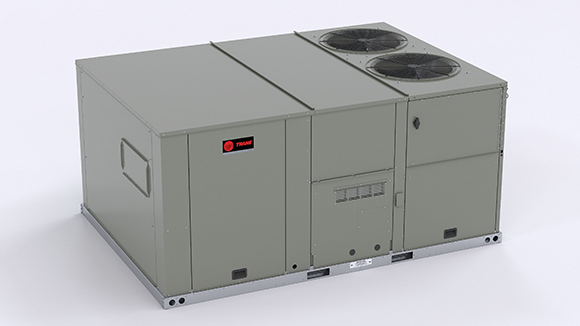
Carrier HAP is a comprehensive energy modeling software that provides hourly energy analysis for HVAC systems, helping engineers design and optimize building systems. It’s widely used for load calculation, energy modeling, and system simulation in commercial buildings. With its user-friendly interface, Carrier HAP offers an intuitive approach to evaluating energy consumption and optimizing HVAC performance.
Trane Trace 700 is another popular HVAC energy modeling software used for designing, analyzing, and simulating energy systems. It offers advanced features for energy simulation, helping users model complex systems and optimize building performance. Trane Trace 700 is recognized for its flexibility, allowing engineers to simulate various energy conservation measures and compare them with different building designs.
Carrier HAP is known for its simple, user-friendly interface, making it easy for users to navigate and input data.
Trane Trace 700 offers a more advanced and detailed interface, which may require more technical expertise to fully utilize its features.
Carrier HAP is excellent for load calculations and HVAC system design in smaller commercial buildings.
Trane Trace 700 provides more advanced features for modeling complex systems and large-scale commercial projects, with more detailed reports and analysis.
Trane Trace 700 offers more flexibility in terms of custom settings and adjustments to energy simulation models, making it suitable for more complex and varied applications.
Carrier HAP is generally more streamlined but may be less customizable than Trane Trace 700 for more advanced use cases.
Carrier HAP is favored by users for its simplicity and is commonly used for smaller to medium-sized projects.
Trane Trace 700 is often preferred by professionals working on larger, more complex projects due to its advanced features and customization options.
Choosing between Carrier HAP vs Trane Trace 700 depends largely on your project’s scope and complexity:
Carrier HAP is ideal for smaller commercial buildings and projects that require fast, reliable energy modeling without the need for complex customizations.
Trane Trace 700 is perfect for larger buildings and projects where more in-depth energy analysis and complex system modeling are required.
Both tools are highly effective, but understanding your specific needs will help you make the right choice.
Carrier HAP and Trane Trace 700 are both HVAC energy modeling software, but they differ in their features. Carrier HAP is known for its simplicity and is ideal for smaller commercial projects, while Trane Trace 700 offers more advanced features and is preferred for larger, complex building systems.
The choice between Carrier HAP and Trane Trace 700 depends on the project scale. Carrier HAP is best for simpler projects, while Trane Trace 700 is ideal for complex designs requiring detailed energy simulation, especially in large commercial buildings.
Yes, both Carrier HAP and Trane Trace 700 optimize HVAC system performance by simulating various energy-efficient designs, helping engineers reduce energy consumption, improve system reliability, and ensure building comfort.
Trane Trace 700 offers more detailed energy simulation and cost analysis for large projects, while Carrier HAP provides quicker, more straightforward cost estimates for smaller-scale projects. The best tool depends on the project’s complexity and size.
Both Carrier HAP and Trane Trace 700 generate detailed reports that help ensure compliance with local energy efficiency codes and standards. By modeling different scenarios, they ensure that HVAC systems meet building regulations and sustainability requirements.