Home / Tools Detail

Contact us today to learn more about how our Rendering Services can help visualize your architectural concepts. Whether you need static images, animations, or 3D walkthroughs, we’re here to provide the highest quality visuals for your project.
At Prime Draft Estimates, we offer expert 3D Rendering Construction services designed to bring your architectural projects to life. Whether you’re working on residential, commercial, or industrial projects, our high-quality 3D renderings help visualize every aspect of your construction before it even begins. With the latest rendering tools and cutting-edge technology, we provide realistic and detailed visualizations that are essential for both design planning and client presentations.
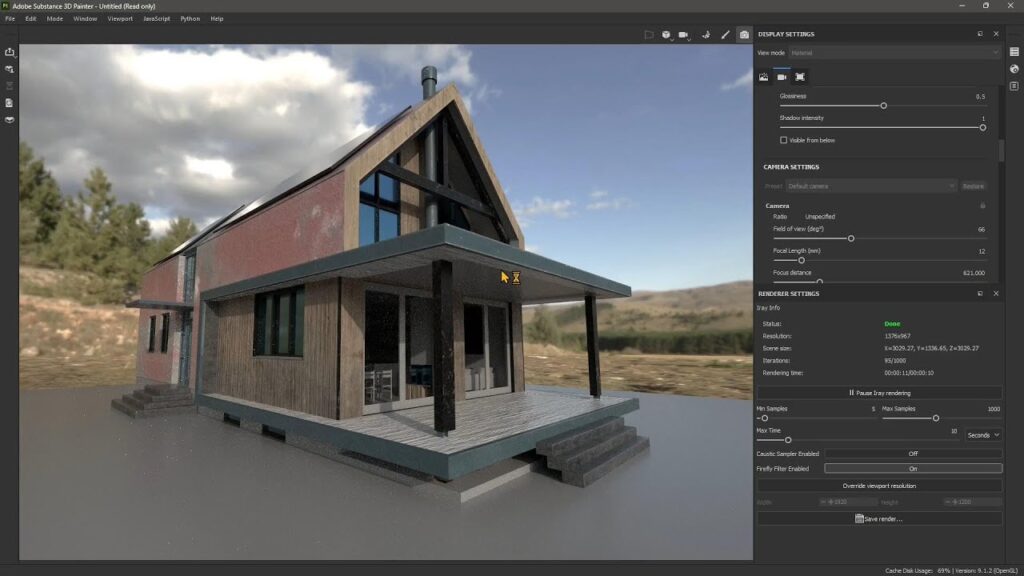
3D Rendering in construction refers to the process of creating realistic, computer-generated images or animations based on 3D models. These renderings provide a visual representation of how a building or structure will look once completed. Whether it’s for architectural visualization, project pitching, or design validation, 3D rendering construction helps both builders and clients make informed decisions, ensuring projects meet expectations and stay on budget.
The foundation of any 3D Rendering is accurate modeling. Tools like AutoCAD, Revit, and SketchUp help architects and designers build detailed digital models of buildings. These models serve as the blueprint for the rendering process, providing the geometry and layout for realistic visualizations.
BIM tools such as Autodesk Revit and ArchiCAD allow for comprehensive 3D modeling by integrating architectural, structural, and MEP (mechanical, electrical, plumbing) systems into one model. BIM ensures that your 3D renderings are not only accurate in visual appearance but also in terms of functionality and performance.
Tools like V-Ray and Lumion transform your 3D models into stunning, lifelike renderings. These tools handle lighting, textures, and materials, providing realistic effects that help you visualize the final outcome in a more tangible way. Whether it’s simulating natural sunlight or adding the right textures, rendering software ensures your design looks exactly how you imagined it.
One of the most important aspects of 3D rendering is getting the lighting and textures right. Advanced tools enable the simulation of realistic environments, from day to night lighting transitions to how materials like glass, wood, and concrete react to light. Proper lighting rendering can highlight key architectural features, making your designs stand out.
VR and AR technologies allow clients and stakeholders to interact with 3D rendered models in immersive environments. By using these technologies, construction teams and clients can take virtual tours of buildings before they are built, ensuring that the design meets all expectations.
By using 3D rendering construction services, you can visualize your designs accurately before construction begins. This helps catch potential design flaws, ensuring a smoother building process with fewer errors and revisions.
Visualizing a design can be challenging without a clear representation. 3D renderings make it easier for clients to understand your vision. Realistic images help in communicating ideas, design decisions, and building features, ensuring that everyone is on the same page.
3D rendering construction tools help to detect potential design issues early on, minimizing costly mistakes during the building phase. Accurate visualizations ensure that materials are used efficiently, reducing waste and cost overruns.
When all stakeholders can visualize the end product clearly, decisions are made faster. 3D renderings provide a faster and more effective way to review designs, approve changes, and finalize the project plan.
Stunning, realistic renderings are perfect for client presentations. They help clients visualize the project better and can be a great marketing tool, enhancing client trust and satisfaction.
3D renderings improve the accuracy of designs, enhance communication with clients, help detect errors early, and ultimately save costs during construction.
By providing a realistic preview of the project, 3D renderings allow for faster decision-making and design revisions, reducing delays during construction.
Yes, by visualizing and identifying potential issues before construction begins, 3D renderings can reduce errors, change orders, and material waste, leading to cost savings.
3D modeling serves as the foundation for 3D renderings, offering precise and detailed visual representations of a building’s design. It helps avoid errors and ensures the final build aligns with the intended design.
With accurate visualizations, architects, engineers, and contractors can collaborate more effectively, making design adjustments and discussing changes in real time, improving the overall project workflow.